DIY Plumbing Made Easy: How to Resolve Common Problems in Your Home
Plumbing systems are an essential part of every household. If they’re not properly maintained they could be an issue for many which can cause inconvenience and expensive repairs.
But, there are many benefits to learning how to fix small plumbing problems yourself, like saving money and gaining important abilities. In this article, we will examine common plumbing issues and DIY techniques to fix them.
Common Plumbing Problems
Dripping Faucets
Dripping faucets are not only annoying, but they also use up a large volume of water during time. The most frequent cause for the faucet to drip is a damaged washer or O-ring. To fix this issue, turn off the supply of water for the faucet. remove the handle, and then replace the damaged washer or O-ring.
Running Toilets
A toilet that is running is another common plumbing issue that could waste a lot of water. The most frequent cause is a faulty flapper valve that isn’t sealing properly, allowing water leak from the tank to the bowl. To resolve this issue switch off the water supply to the toilet, take off the lid of the tank, then change or adjust your flapper valve.
Clogged Drains
The cause of blocked drains is by various things such as soap, hair, or food particles. To resolve this issue you could try using either a plunger or drain snake to eliminate the clog. You can also use a mixture of vinegar and baking soda to dissolve the clog.
Low Water Pressure
The low pressure in the water could be due to a variety of causes, including mineral buildup within the pipes or a defective pressure regulator. To resolve this issue, you can try cleaning the aerator or replacing the pressure regulator.
Tools required for DIY plumbing
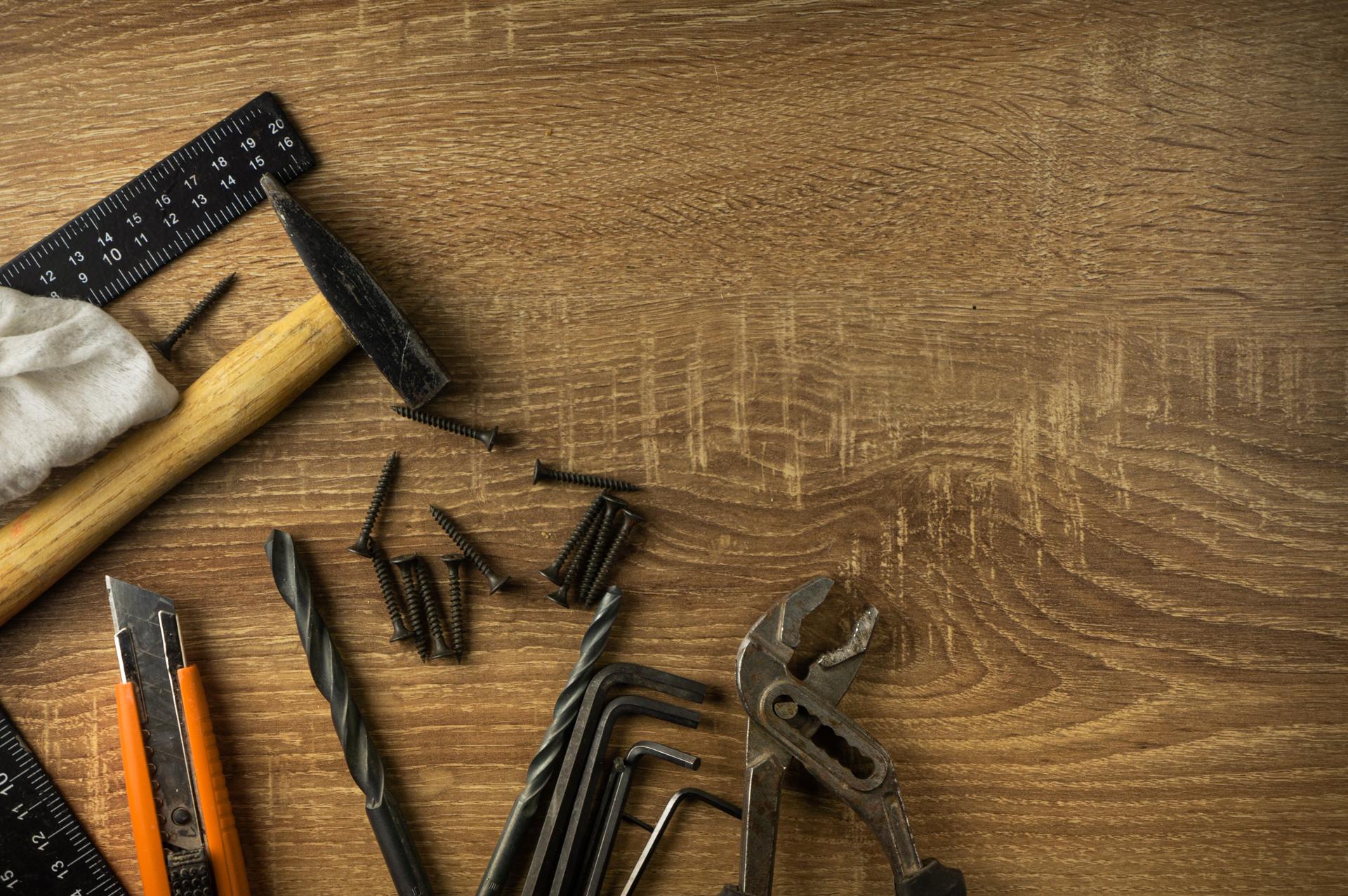
For DIY plumbing, you will require some basic tools like the plunger, an adjustable wrench, pipe wrench, Teflon tape, and a screwdriver. Having these tools on hand will make it easier to solve minor plumbing problems.
Safety Tips for DIY Plumbing
Security should be the top priority when making any plumbing work that you do yourself. Some tips for safety to remember include shutting off the water supply before beginning any repair, wearing safety glasses and gloves and having a first aid kit nearby in case in the event of an emergency.
DIY Plumbing Techniques
To fix common plumbing issues, you will need to master a few DIY plumbing techniques such as how to shut off the water supply or repair a leaky faucet and how to fix the issue of a toilet that is running or unblock the drain, and how to boost the pressure of water. These tips can help you save time and money on small plumbing repairs.
Conclusion
In the end, knowing how to fix minor plumbing issues yourself is beneficial in many ways. Not only will it cost you less money, but it will also give you satisfaction and valuable knowledge. But, for more substantial plumbing issues, it’s always better to consult a professional plumber.
FAQ
Can I fix a plumbing problem myself?
Yes, you are able to fix minor plumbing issues yourself by learning a few basic DIY plumbing techniques.
Which are the top frequently encountered plumbing issues?
The most frequently encountered plumbing problems include dripping water from faucets blockages in drains, as well as low water pressure.
What tools will I require for DIY plumbing?
You will need a few indispensable tools like a plunger, adjustable wrench, pipe wrench, Teflon tape, and a screwdriver.
Is DIY plumbing safe?
DIY plumbing is secure if you adhere to safety guidelines and take the appropriate precautions.
What is the best time to call a professional plumber?
You should call a professional plumber for significant plumbing issues that require specialist equipment and experience.